2010-07-05
2010-07-04
2010-06-27
小さな削ろう会
June 26 and 27, traveled to Enzan (塩山) in Yamanashi Prefecture to help with the preparations of Chiisana-Kezurou-Kai (小さな削ろう会). Chiisana-Kezurou-Kai is an event being held August 8-15.
Two groups of carpenters, one from Japan and one from Germany, will each build a timber frame structure using only hand tools.
Deer meat
2010-06-16
和の家「櫻井」
June 16 attended a Japan Minka Revival Association (日本民家再生協会) International Division meeting held at a beautifully renovated Japanese folk house called Wa-no-ie “Sakurai” (和の家「櫻井」). Wa-no-ie “Sakurai” hosts a day care for children and elderly and also a number of other events. This November, the Japan Minka Revival Association’s International Division is cohosting an event at Wa-no-ie “Sakurai”. The theme is building with earth.
2010-06-13
Matsuzaki (松崎)
2010-06-09
土佐漆喰
2010-06-06
民家学校
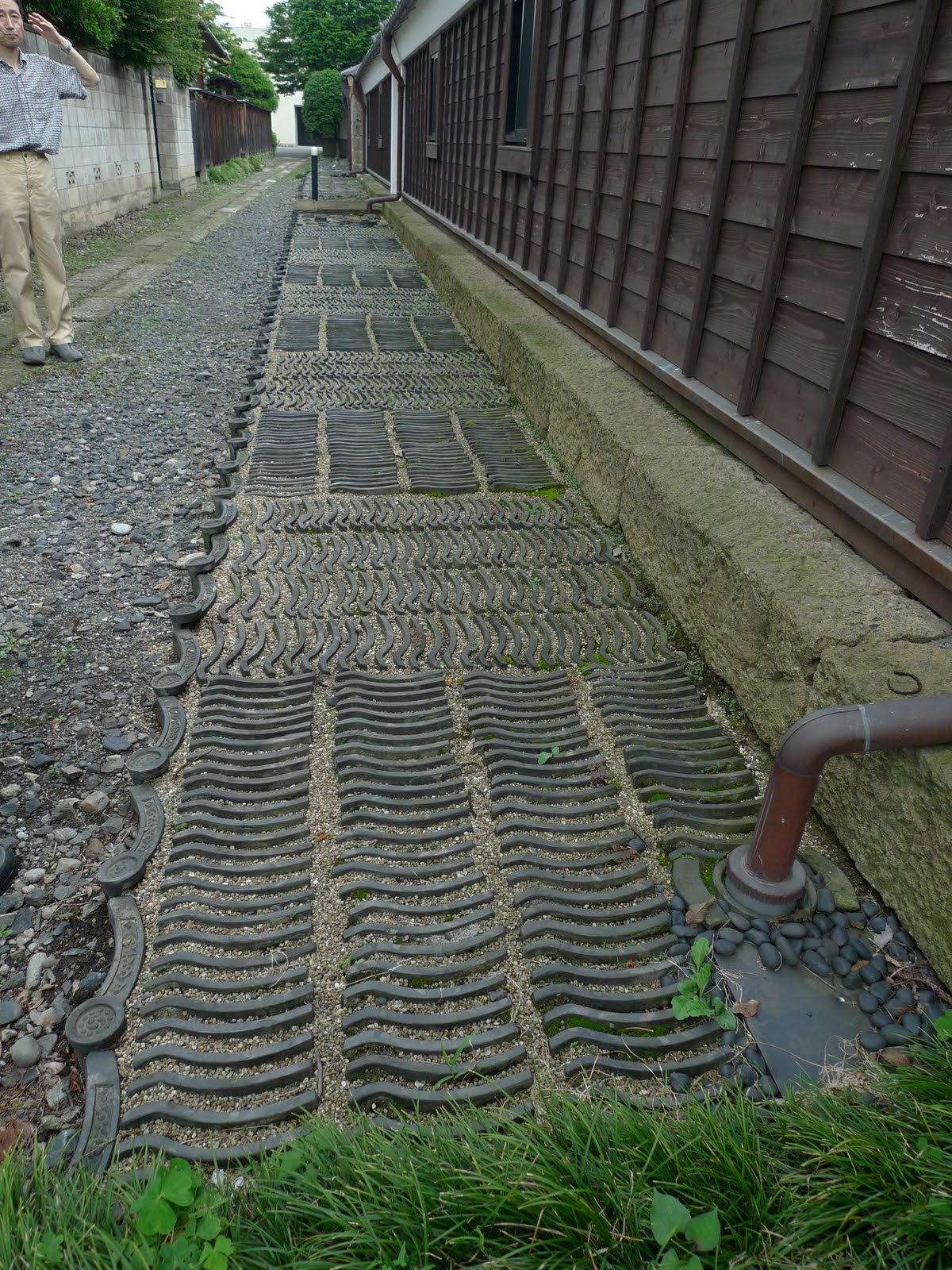
June 5-6 attended the Minka (民家) course sponsored by the Japan Minka Revival Association (日本民家再生協会). "Minka" means folk house in Japanese. On Saturday, we helped with the renovation of a minka in Yamanashi Prefecture. Last fall I helped with the rethatching and making the bamboo base for the earthen plaster walls. This time we plastered the finish coat with Keisodo (珪藻土), a plaster described in a previous posting. On Sunday, we visited several renovated Minkas in the morning.
Structure of thatch roof.
Irori (囲炉裏), charcole pit.
Silk worms.
In the afternoon, we attened a lecture given by Amamiya-san (雨宮氏), a carpenter who uses traditional tools and refrains from using power tools as much as possible.
Shed built by Amamiya-san.
2010-05-13
までいな家
May 13 traveled to Iita-mura (飯舘村) with Itonaga-sensei.
As explained in a previous post, Iitate received a government grant to build a model eco-home.
Last December we built the west wall of a detached studio using straw bales.
The home utilizes a number of environmental and experimental features.
The hygrothermal environment of the home is being monitored and the data is displayed real-time by computer.
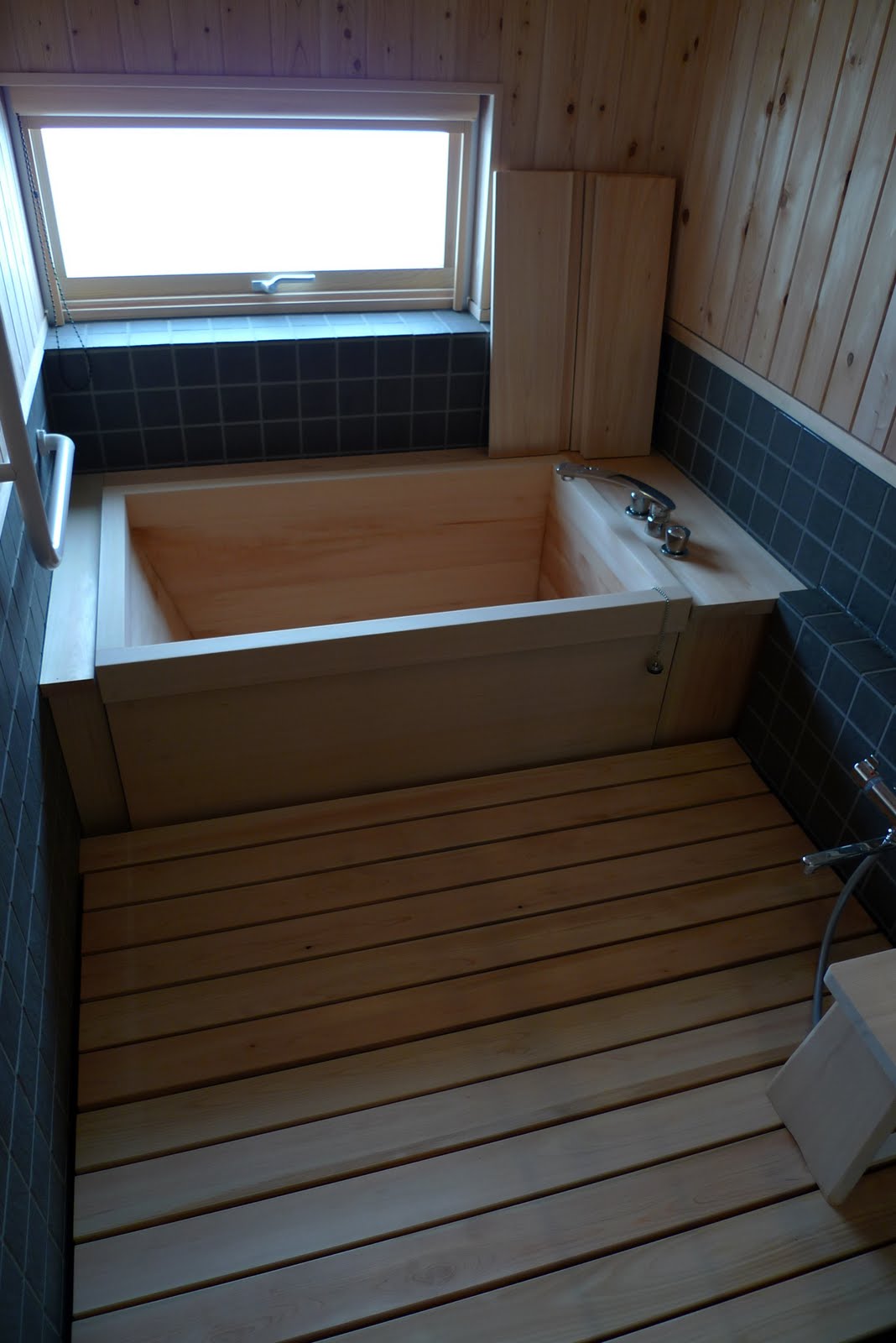
Japanese Cypress bathtub
2010-05-09
民家学校
In March I joined the Japan Minka Revitalization Association (日本民家再生協会). This year I'll attend classes once a month in different areas of Japan regarding Japanese folk homes. There are roughly 36 people in the class. On May 9, I attended my first class in Saitama Prefecture.
One part of the class involved drawing a floor plan and interior elevation of the home we're surveying.
2010-05-08
日本民家園
2010-05-01
Lime Plaster
May 1 attended a earthen plastering class taught at a trade school in Tokyo taught by Ueno-san and Tanaka-san.
May 6 attended a lime plastering workshop taught by Yawata-Oyakata (八幡親方).
消石灰(hydrate lime) 20kg
つのまた糊(seaweed glue powder) 475g
麻すさ(hemp fibers) 400g
水(water) 適量(appropriate amount)
2.20キロの消石灰と約500グラムのつのまた糊をから合わせる(乾いている状態で混ぜる)(mix the hydrate lime and glue powder dry)
3.適量の水を足す(mix and add water as needed)
4.麻すさを千切って、消石灰に足す。(break up the clumps of hemp fiber and add to lime)
5.完全に混ぜたら、塗れます。(plaster)
Three things I love about plastering. (1) It's practical and useful. (2) It's an art. And (3), it physical.
2010-04-28
2010-04-25
茅葺屋根
April 25th attended a thatch roofing workshop in Yamanashi-Prefecture.
Sano-san (佐野氏) is rethatching a 300 year old Japanese farm house. The original bamboo and unmilled lumber rafters are lashed together with straw rope and wisteria vines. Sano-san raises ayu (鮎) fish, grows rice, and produces tea for income.
The tools used.
2010-04-24
竹小舞
2010-04-11
スクエア・ワン
April 9-11 traveled to Asahikawa , Hokkaido to meet with Toby, Maiko, Noda-san, Jinnouchi-san and Takigami-san regarding the finish coat for Square One.
Noda-san brought samples he produced using Tosa-shikkui (土佐漆喰).
The sample on the left is the finish coat of Tosa-shikkui. The sample on the right shows the layers leading up to the finish coat. Tosa-shikkui is a traditional lime plaster from Kochi Prefecture , famous for its typhoons and the Tosa-shikkui that withstands them. Its yellow color comes from straw fibers mixed with the lime.
More photos and details can be found on Toby's blog.
2010-04-04
板山・感覚の家
April 3-4 traveled to Handa (半田) in Aichi Prefecture.
Installed temperature and relative humidity sensors in the straw bale walls of Itayama/Kankaku-no-Ie (板山・感覚の家).
The project is lead by Hideto Oshima (大島秀斗氏) of the Straw Bale Project. Oshima-san (above) points to a chart depicting the various custom made bales for the project. The owner of the home, Naoki Matsumoto (松本直樹氏), is on the left.
The project is a renovation of an existing steel framed building.
2010-03-21
お陰様市場
March 6-8 and 17-21 built the plastered straw bale interior of a store that will sell organic produce and fair trade goods. The name of the store is お陰様市場(okagesama-ichiba), which means something like "Thanksgiving Market". The store will function as another aspect of Cafe Slow, an organic cafe in Tokyo that acts as a hub for several environmental and social movements, both domestic and international.
In May of 2008, I led the construction of Cafe Slow's straw bale interior. Both the May, 2008 Cafe Slow building project and this project are renovations of existing buildings.
The floor was plastered by a professional plasterer in Tokyo. For further details and photos, please see the Cafe Slow blog
Subscribe to:
Comments (Atom)